
In many ancient cultures, time was understood as cyclical rather than linear.
Women’s bodies — responsive to lunar rhythms — marked seasons, transitions, and completion through blood.
When a woman bleeds during the full moon, this alignment is often referred to as the Red Moon Cycle. In folklore and later interpretations, this rhythm became associated with women whose energy was oriented outward — toward teaching, healing, and creative contribution.
Modern narratives around menstruation often focus on loss, weakness, and suffering. Yet our ancestors understood bleeding as the body’s natural way of releasing what had already ripened.
Full Moon Bleeding: Completion or Depletion?
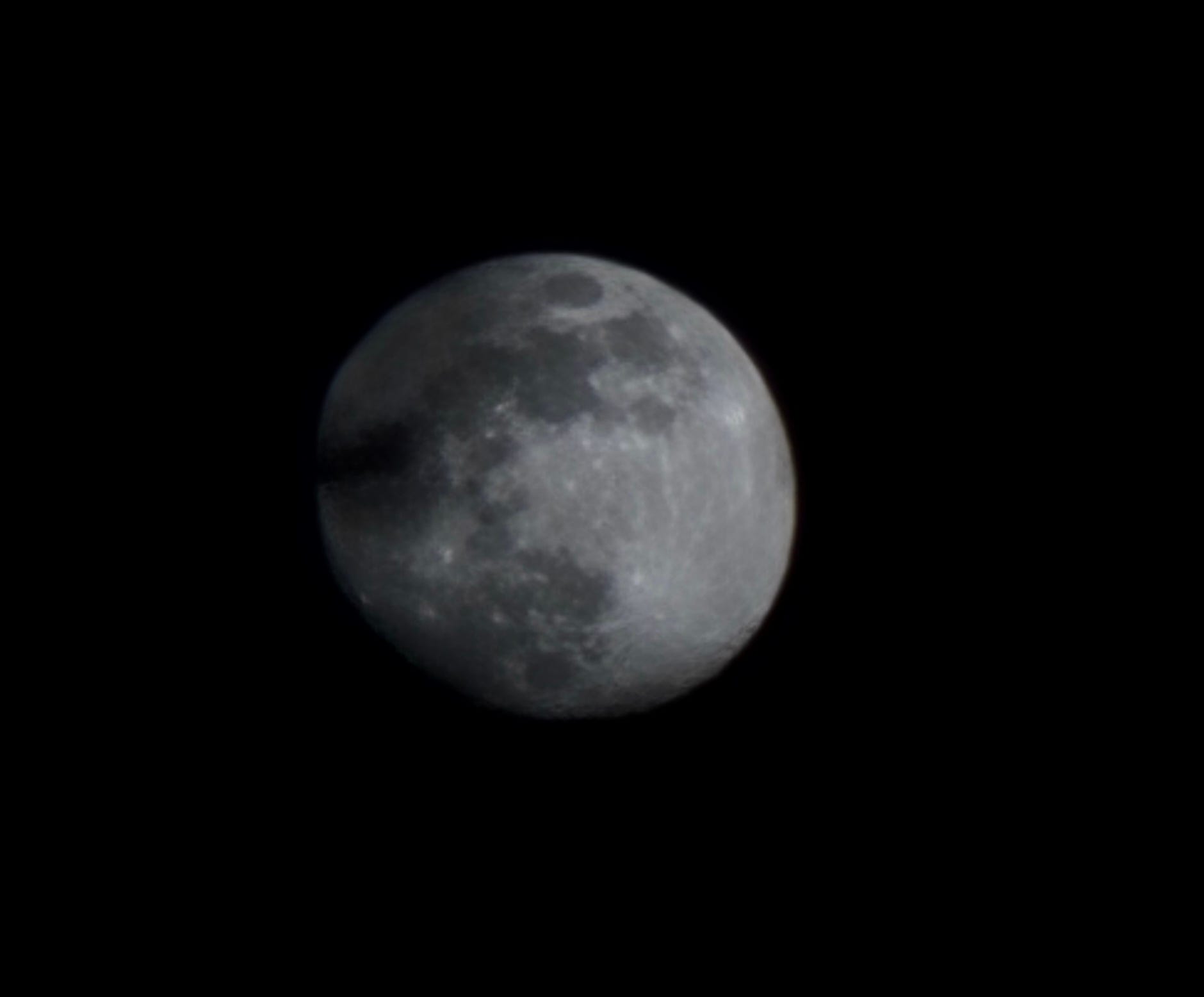
The full moon has long been associated with culmination, fullness, and clarity. In this light, bleeding during the full moon can be understood as a release that comes after completion.
It is often described as a time of emotional clarity — when truth rises more easily to the surface, intuition sharpens, and dreams, visions, and insight become more accessible.
The Wise Woman Archetype
The Wise Woman was never defined by age, but by wisdom, presence, and role within the community.
When a woman’s energy was not directed toward gestation, nursing, or early mothering, what defined her instead was her availability to others, emotional steadiness, and capacity to hold stories, wisdom, or secrets. She moved in harmony with her own cycles and the rhythms beyond herself.
At times when her body was not preparing to sustain life internally, it was supporting life externally.
Women who bled during the full moon were understood to complete their cycles in the light, mirroring the moon’s outward radiance. This outward timing became symbolically associated with teaching, healing, mediation, and guidance.
Blood as Carrier of Memory
In many ancient systems — including Chinese and Indigenous cosmologies — blood carried biological as well as informational meaning.
Blood was believed to carry emotion, ancestral memory, and lived experience. When blood moved, especially during the full moon, women were thought to become more emotionally perceptive, more truthful, and more capable of insight.
The Wise Woman as Mediator
She was not a ruler.
She was a bridge.
Between inner and outer worlds.
Between body and community.
Between emotion and meaning.
Between past and future.
Her role was often to listen, to hold contradictions without resolving them, and to name what was unfolding beneath visible events. For this reason, women were essential during times of conflict, illness, grief, and seasonal or social transitions.
“The Wise Woman did not produce life — she helped others understand it.”
Cultural Echoes Across Traditions
Chinese Cosmology
In Chinese medicine, when Blood moves, the Heart and spirit are especially sensitive. The full moon, as a moment of culmination — the peak of yin–yang tension — was therefore associated with listening.
Women were encouraged to avoid exertion during times of strong Blood movement, because inward movement required outward stillness.
Indigenous North American Traditions
Menstruation — often called moon time — was understood as a period of heightened intuition, a time when women could access insight for the community, and a necessary pause that protected collective balance.
“When women rest during moon time, the land rests with them.”
Slavic & Balkan Folk Memory: Water, Silence, and the Listening Moon
In Slavic and Balkan folklore, the Moon stands as a witness.
Full-moon practices often involved washing the hands, face, or hair, moments of quiet observation, and the avoidance of conflict or heavy speech.
Islamic Symbolic Understanding: The Moon as a Sign (Āyah)
Menstruating women are exempt from formal prayer and fasting — a profound theological recognition that the body has its own form of worship, and that rest and withdrawal are not spiritual absence.
In Islamic symbolism, the full moon represents clarity, completion, and guidance in darkness.
Mediterranean & Ancient Near Eastern Traditions: Salt, Sea, and Completion
In coastal cultures, the full moon governed tides, fertility, and emotional intensity.
Women’s rituals during the full moon often included contact with salt water — bathing or washing the feet — followed by rest. Blood was understood as a personal tide, echoing the movement of the sea.
Across cultures, the full moon appears less as a time for action, and more as a time for witnessing.
An Invitation to Pause
On the night of the full moon, slow down for a moment.
You might sit by a window or step outside.
Acknowledge that you have carried enough.
Sit quietly with all that you feel and all that you are, resting one hand on your abdomen and the other on your heart. Notice what feels complete. What is ready to leave you.
Allow what has ripened to be released, and trust the rhythm that carries you. You do not need to name anything — witnessing is enough.
When you return to your night, carry only what remains after the release.
Our bodies are small cosmoses within the greater cosmos — and at the same time, vast universes within ourselves. Each fragment holds the imprint of the whole. Nature is indivisible.
Honor and respect natural rhythms.
Allow the rhythm of your body to teach you.
Listening is enough.